Welcome to China Oncology,
China Oncology ›› 2025, Vol. 35 ›› Issue (11): 987-1000.doi: 10.19401/j.cnki.1007-3639.2025.11.001
• Article • Previous Articles Next Articles
LIU Hao1( ), SU Junjie2, XIN Shiyong2()(
 )
)
Received:2025-01-22
Revised:2025-09-02
Online:2025-11-30
Published:2025-12-12
Contact:
XIN Shiyong
E-mail:doctsyxin@163.com
Supported by:Share article
CLC Number:
LIU Hao, SU Junjie, XIN Shiyong. Mechanism study of MYC promoting proliferation and metastasis in prostate cancer by targeting CD47[J]. China Oncology, 2025, 35(11): 987-1000.
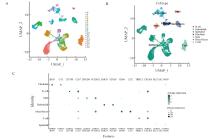
Fig. 1
RNA-seq profile of PCa data A, B: UMAP shows the different cell clusters of PCa; C: Marker in different cell types."
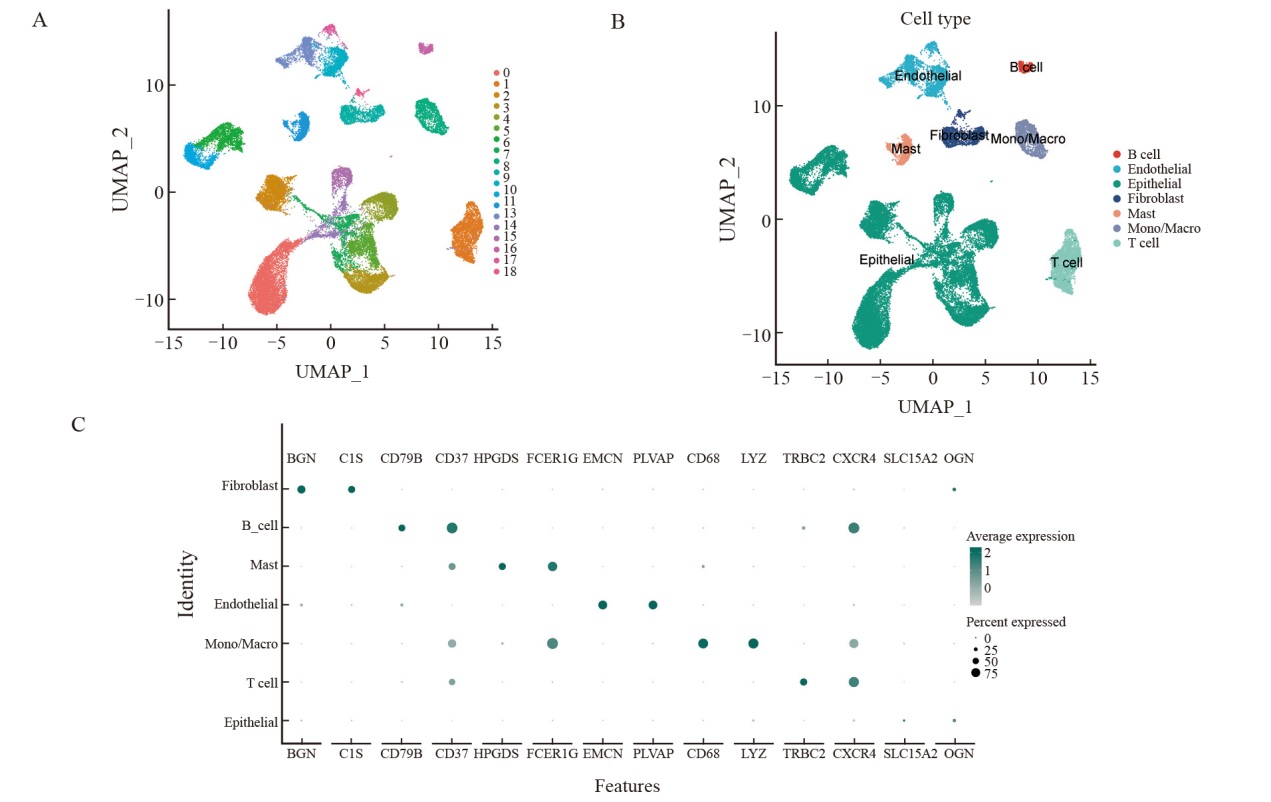
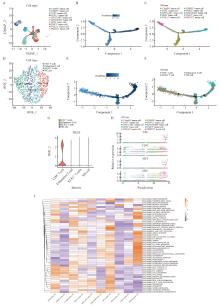
Fig. 2
Analysis of tumor and macrophage subpopulations A: UMAP shows the PCa cell subpopulation; B, C: Differentiation trajectory of tumor cell subsets; D: tSNE shows the T cell subpopulation; E, F: Differentiation trajectory of T cell subsets; G: The violin diagram shows the expression of TIGIT in T cell subsets; H: Expression changes of MYC, CD47, AXL and MET during tumor cell differentiation; I: Results of enrichment analysis of tumor cell subsets."
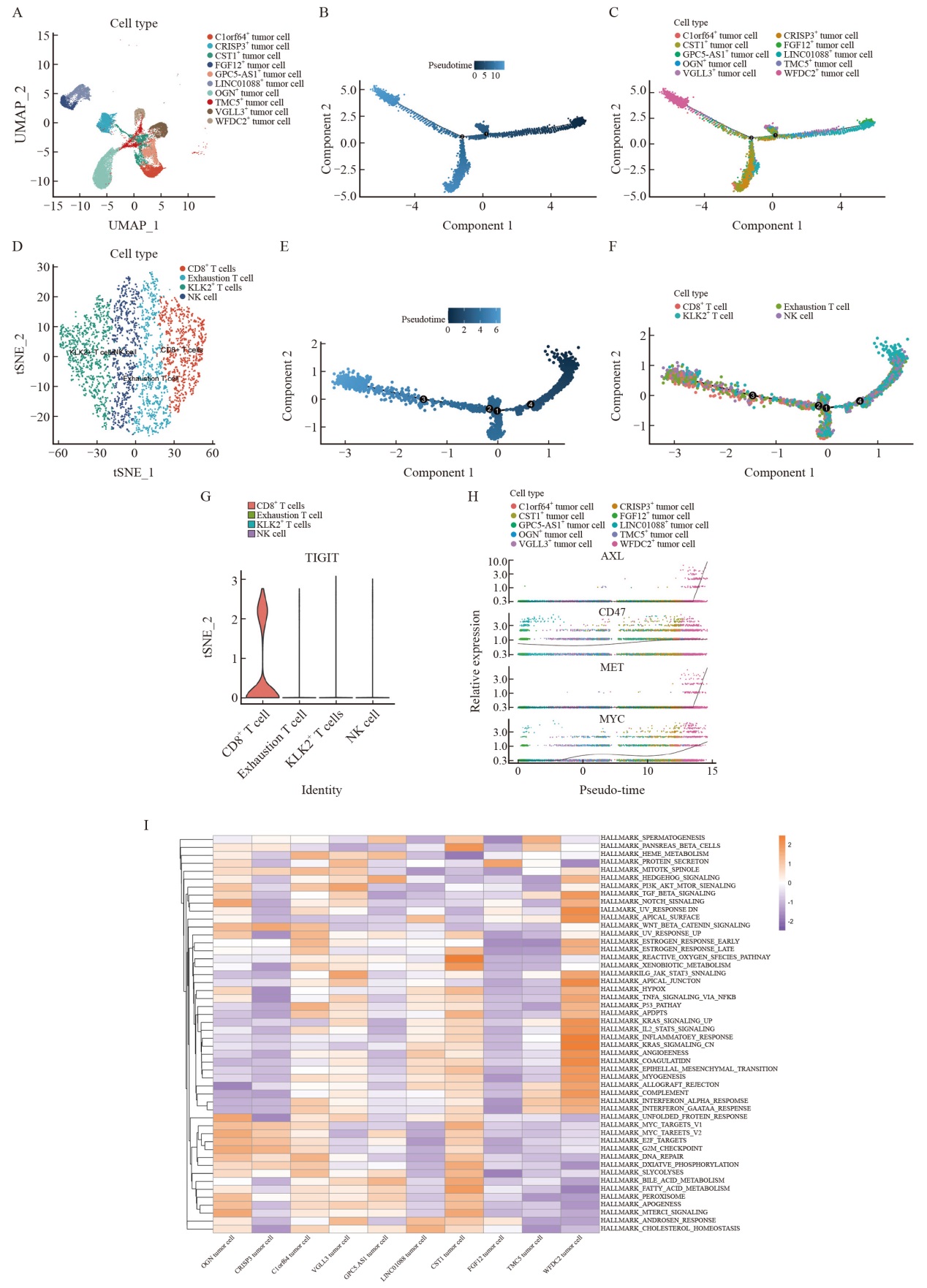
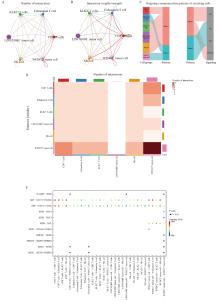
Fig. 3
Cell communication between tumor cells and T cells A, B: Intensity of cell communication between tumor cell subpopulations and T cell subpopulations; C: Functional patterns between different cell subpopulations; D: Heat map of the number of cell interactions between different cell subpopulations; E: Receptor ligand pairs for cell communication between different cell subpopulations."
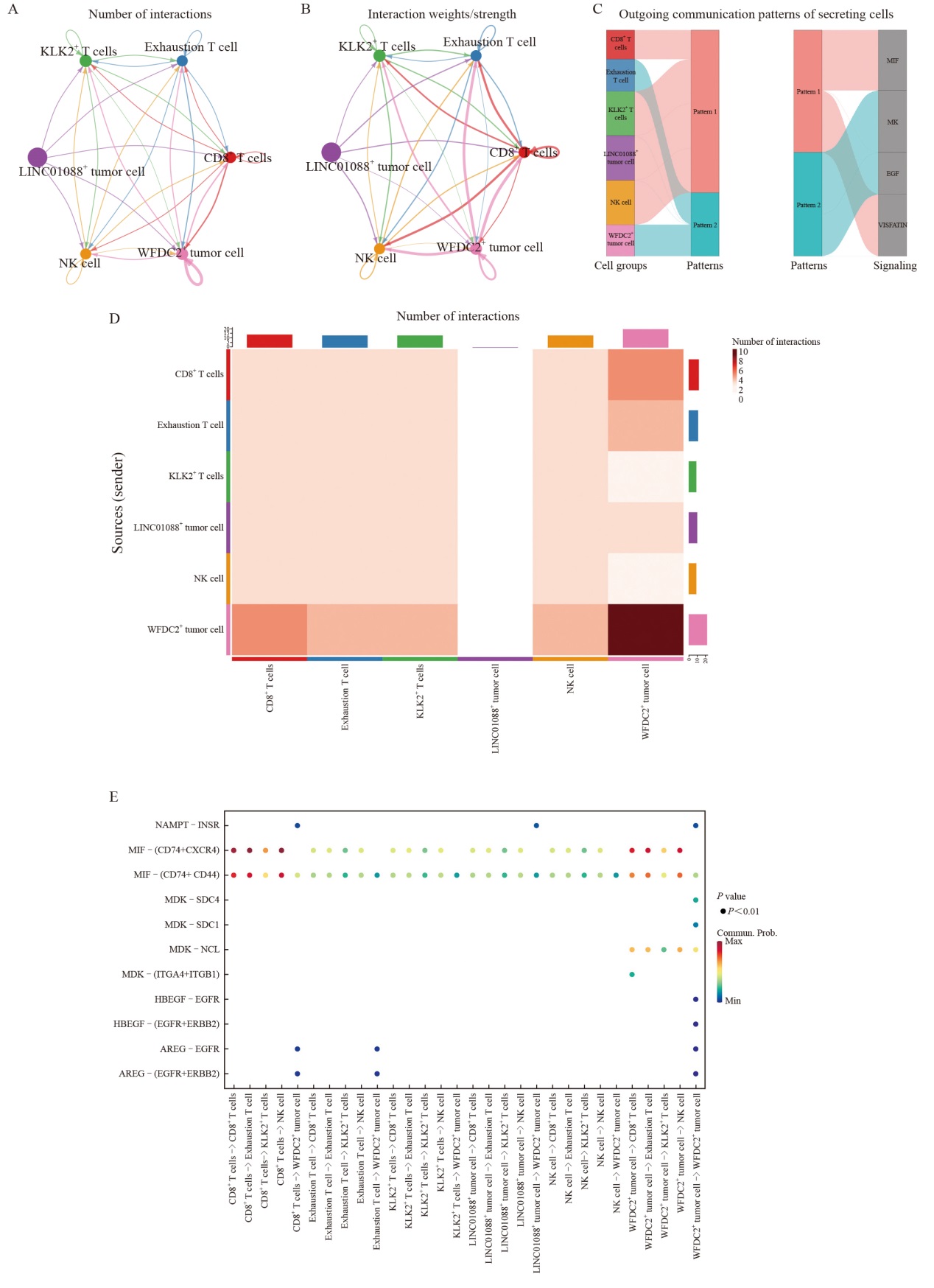
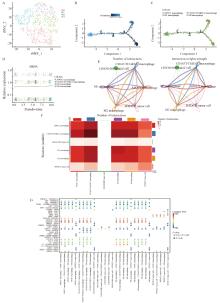
Fig. 4
Macrophage subpopulation analysis A: tSNE shows different subpopulations of macrophages; B, C: Pseudotime of macrophages; D: Expression changes of SIRPα during macrophage differentiation; E: The number and proportion of cell communication between macrophage subpopulations and tumor cell subpopulations; F: Heat maps show cellular communication between macrophage subpopulations and tumor subpopulations; G: Receptor ligand pairs between macrophage subpopulation and tumor cell subpopulation."
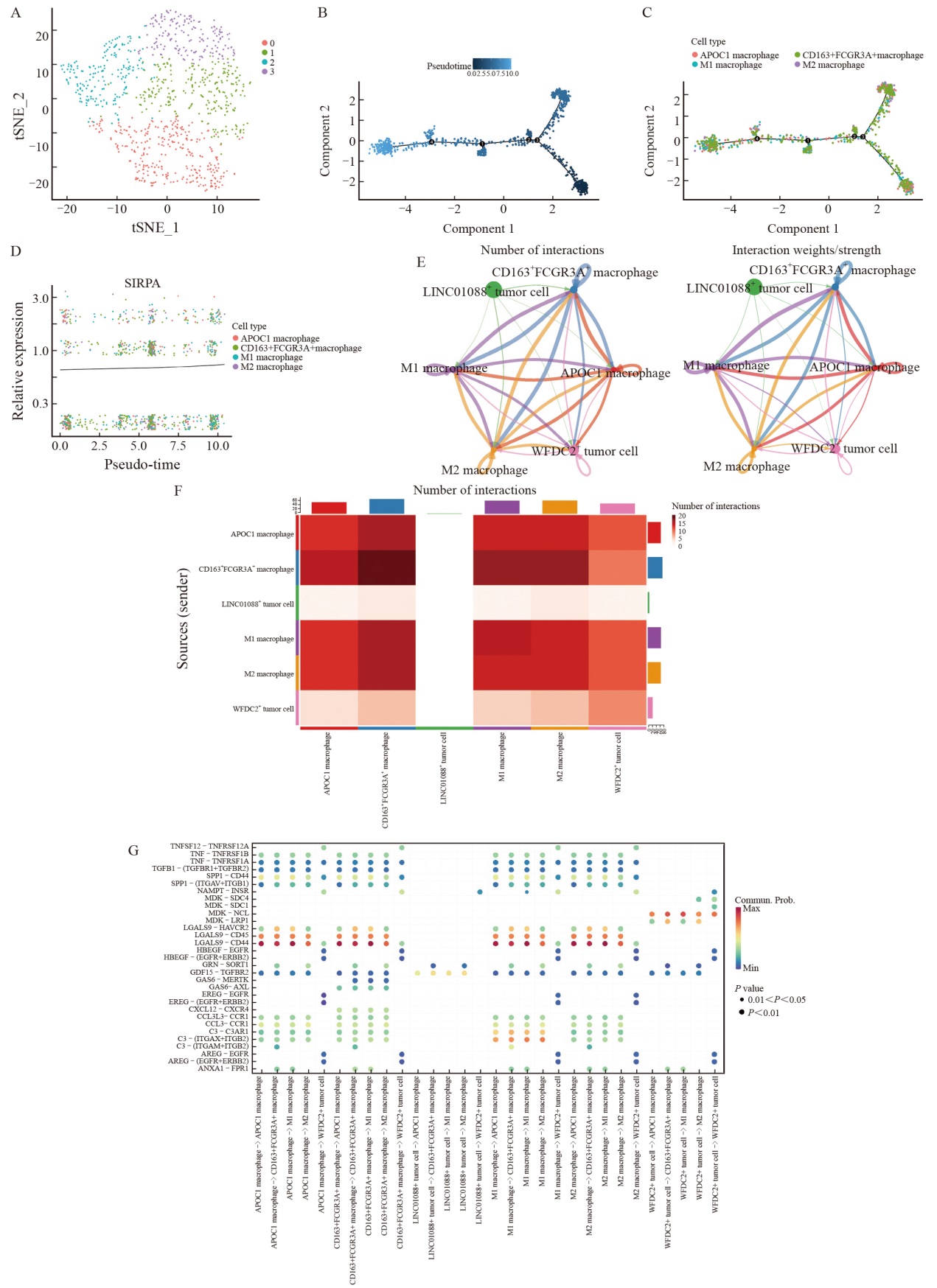
Fig. 5
Analysis of MYC-related differential genes A: The volcano map shows differential genes associated with MYC; B, C: Enrichment analysis of MYC-related differential genes; D: PPI networks reveal protein interactions."
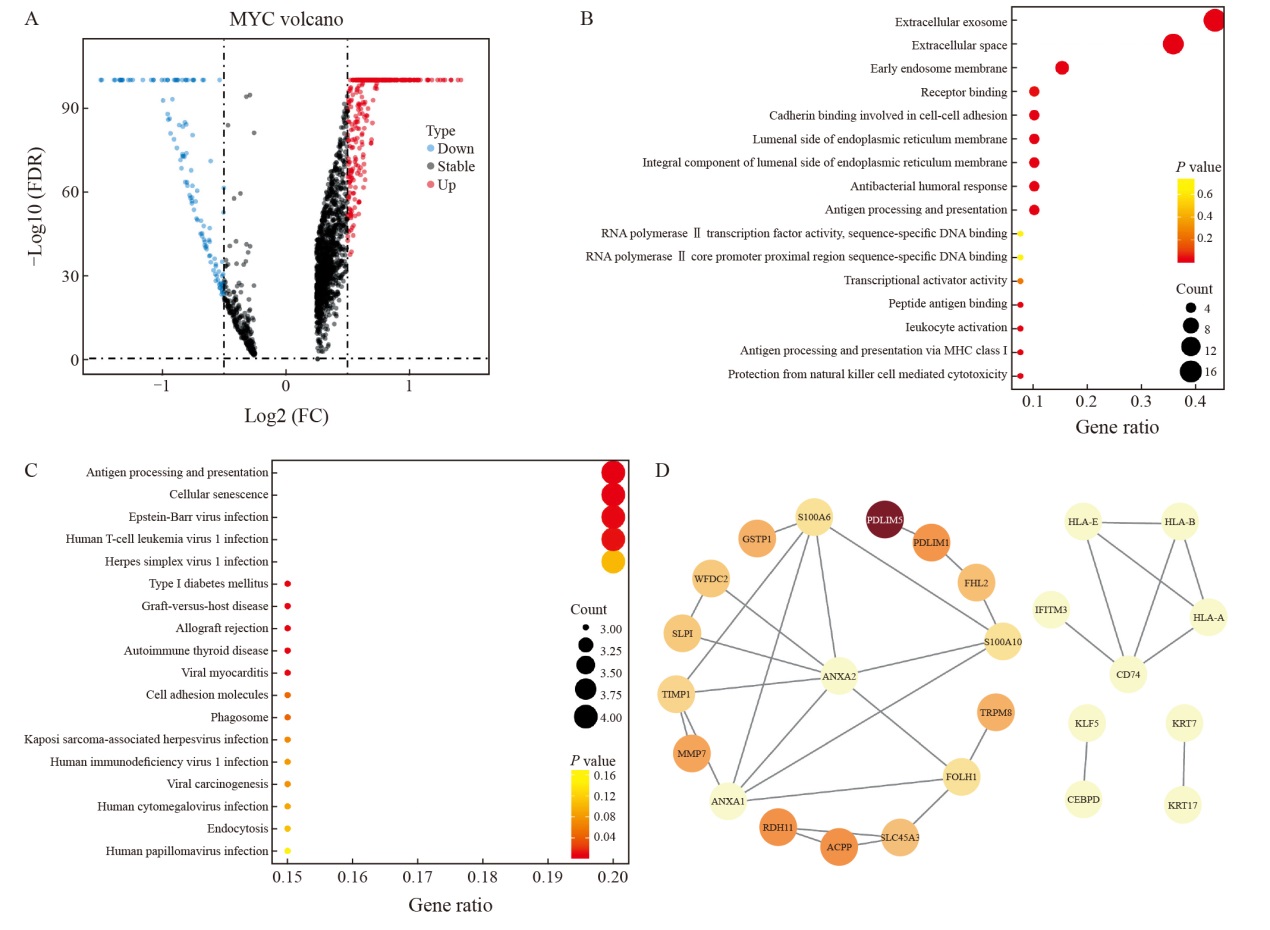
Fig. 6
The regulatory relationship between MYC and CD47 A, B: After knocking down MYC, MYC and CD47 protein and mRNA levels in the cells changed; C: Immunohistochemical results; D: ChIP-PCR result. E: Validation of MYC expression in ChIP; F: Transwell results showed the effect of MYC and CD47 expression on the invasion ability of PCa cells; G: EdU experiment results showed the effect of MYC and CD47 expression levels on the proliferation of PCa cells; H, I: The results of colony formation and scratching experiments showed the effects of MYC and CD47 expression levels on the proliferation and migration of PCa cells.*: P<0.05; **: P<0.01; ***: P<0.001; NS: No significance."
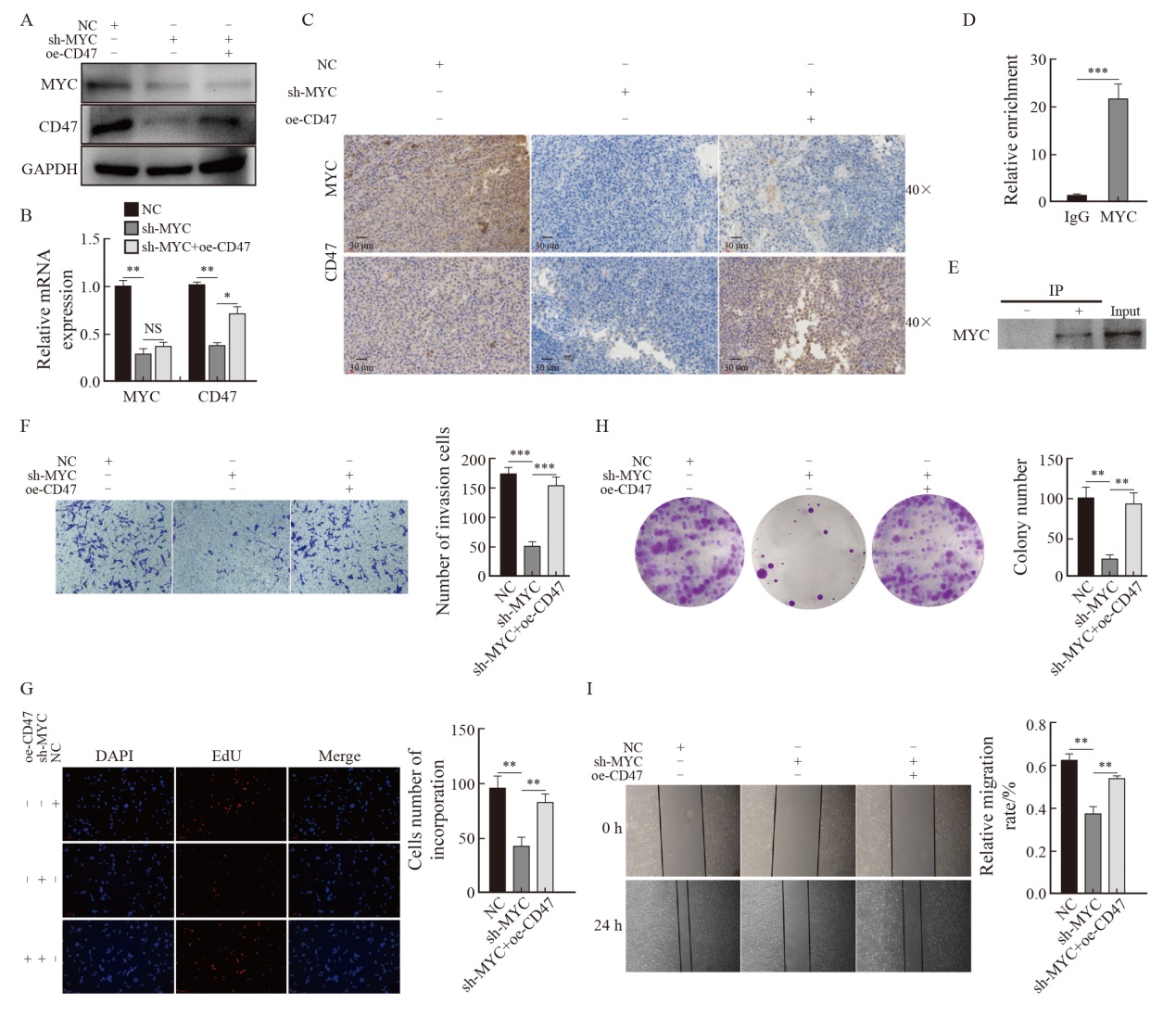
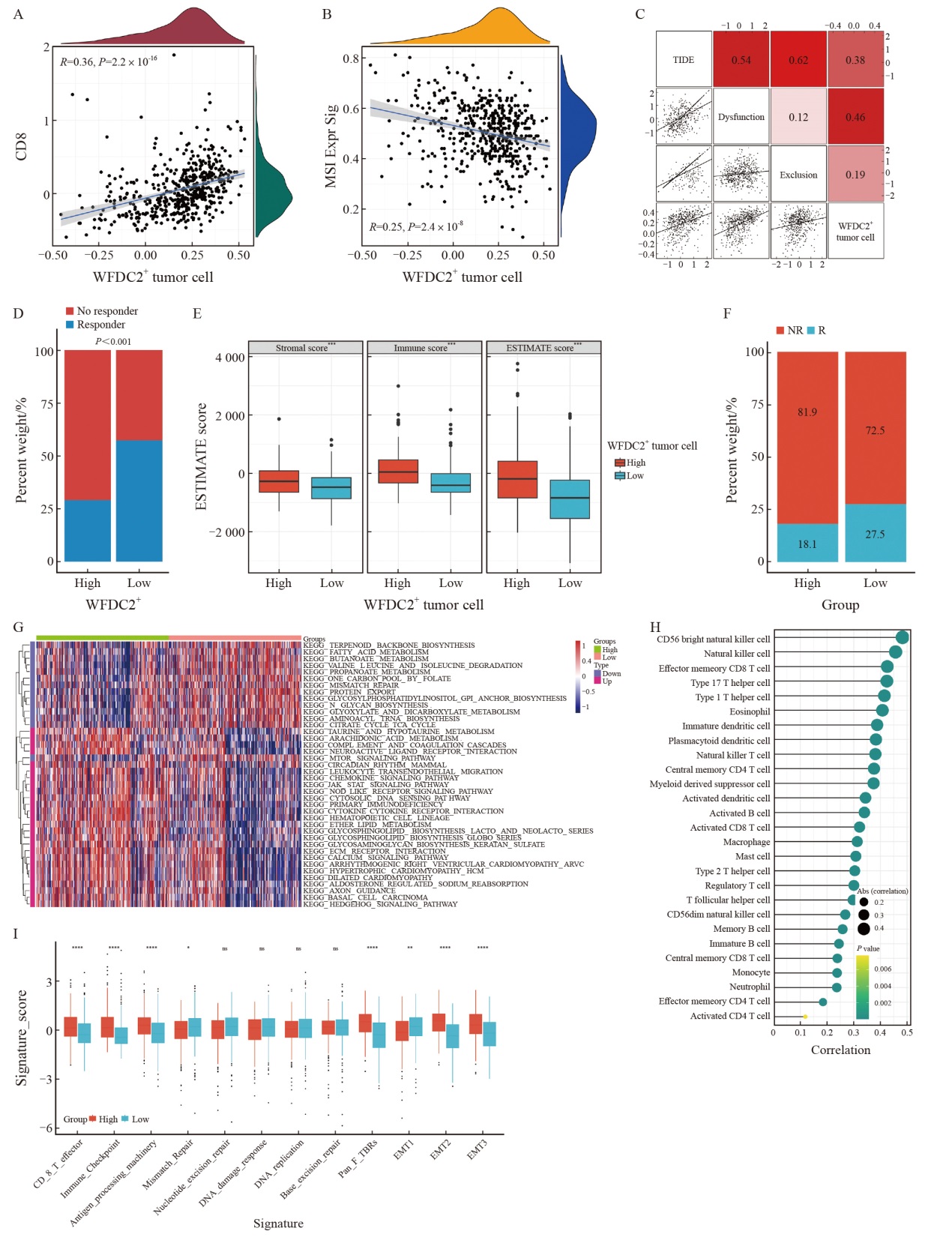
Fig. 7
WFDC2+ patients in the high-scoring group exhibit greater immune cell infiltration abundance A-C: Association of WFDC2+ tumor cell signature scores with CD8, MSI, TIDE, cell exclusion, and dysfunction; D: Differences in response to immunotherapy in high-rated and low-rated WFDC2+ tumor cells; E: Differences in stromal score, immune score and ESTIMATE score between high-rated and low-rated groups of WFDC2+ tumor cells; F: Validation sets demonstrated the difference in response to immunotherapy between high-rated and low-rated groups of WFDC2+ tumor cells; G: KEGG enrichment analysis was performed on the differential genes of WFDC2+ tumor cells in high and low rating groups; H: Correlation between the abundance of immune cell infiltration and WFDC2+ tumors; I: Differences of different biological processes in high-rated and low-rated WFDC2+ tumor cells."
| [1] | BRAY F, LAVERSANNE M, SUNG H, et al. Global cancer statistics 2022: GLOBOCAN estimates of incidence and mortality worldwide for 36 cancers in 185 countries[J]. CA Cancer J Clin, 2024, 74(3): 229-263. |
| [2] |
HAMDY F C, DONOVAN J L, LANE J A, et al. Fifteen-year outcomes after monitoring, surgery, or radiotherapy for prostate cancer[J]. N Engl J Med, 2023, 388(17): 1547-1558.
doi: 10.1056/NEJMoa2214122 |
| [3] |
CHEN K, O’BRIEN J, MCVEY A, et al. Combination treatment in metastatic prostate cancer: is the bar too high or have we fallen short[J]. Nat Rev Urol, 2023, 20(2): 116-123.
doi: 10.1038/s41585-022-00669-z |
| [4] |
BHOIR S, DE BENEDETTI A. Targeting prostate cancer, the ‘tousled way’[J]. Int J Mol Sci, 2023, 24(13): 11100.
doi: 10.3390/ijms241311100 |
| [5] |
GILLESSEN S, ATTARD G, BEER T M, et al. Management of patients with advanced prostate cancer: report of the advanced prostate cancer consensus conference 2019[J]. Eur Urol, 2020, 77(4): 508-547.
doi: S0302-2838(20)30048-8 pmid: 32001144 |
| [6] |
GAO F Y, LI X T, XU K, et al. C-MYC mediates the crosstalk between breast cancer cells and tumor microenvironment[J]. Cell Commun Signal, 2023, 21(1): 28.
doi: 10.1186/s12964-023-01043-1 |
| [7] |
LLOMBART V, MANSOUR M R. Therapeutic targeting of ‘undruggable’ MYC[J]. eBioMedicine, 2022, 75: 103756.
doi: 10.1016/j.ebiom.2021.103756 |
| [8] |
BOUWSTRA R, VAN MEERTEN T, BREMER E. CD47-SIRPα blocking-based immunotherapy: current and prospective therapeutic strategies[J]. Clin Transl Med, 2022, 12(8): e943.
doi: 10.1002/ctm2.943 pmid: 35908284 |
| [9] |
LIU Q F, LI J Y, ZHENG H J, et al. Adoptive cellular immunotherapy for solid neoplasms beyond CAR-T[J]. Mol Cancer, 2023, 22(1): 28.
doi: 10.1186/s12943-023-01735-9 pmid: 36750830 |
| [10] |
LAHIRI A, MAJI A, POTDAR P D, et al. Lung cancer immunotherapy: progress, pitfalls, and promises[J]. Mol Cancer, 2023, 22(1): 40.
doi: 10.1186/s12943-023-01740-y pmid: 36810079 |
| [11] |
BEDKE J, ALBIGES L, CAPITANIO U, et al. The 2022 updated European association of urology guidelines on the use of adjuvant immune checkpoint inhibitor therapy for renal cell carcinoma[J]. Eur Urol, 2023, 83(1): 10-14.
doi: 10.1016/j.eururo.2022.10.010 pmid: 36511268 |
| [12] |
REBUZZI S E, RESCIGNO P, CATALANO F, et al. Immune checkpoint inhibitors in advanced prostate cancer: current data and future perspectives[J]. Cancers, 2022, 14(5): 1245.
doi: 10.3390/cancers14051245 |
| [13] |
ZIMMERLI D, BRAMBILLASCA C S, TALENS F, et al. MYC promotes immune-suppression in triple-negative breast cancer via inhibition of interferon signaling[J]. Nat Commun, 2022, 13(1): 6579.
doi: 10.1038/s41467-022-34000-6 |
| [14] |
LEI T Y, XU T W, ZHANG N, et al. Anlotinib combined with osimertinib reverses acquired osimertinib resistance in NSCLC by targeting the c-MET/MYC/AXL axis[J]. Pharmacol Res, 2023, 188: 106668.
doi: 10.1016/j.phrs.2023.106668 |
| [15] |
KRESS T R, SABÒ A, AMATI B. MYC: Connecting selective transcriptional control to global RNA production[J]. Nat Rev Cancer, 2015, 15(10): 593-607.
doi: 10.1038/nrc3984 pmid: 26383138 |
| [16] | CONACCI-SORRELL M, MCFERRIN L, EISENMAN R N. An overview of MYC and its interactome[J]. Cold Spring Harb Perspect Med, 2014, 4(1): a014357. |
| [17] |
DHANASEKARAN R, DEUTZMANN A, MAHAUAD-FERNANDEZ W D, et al. The MYC oncogene: the grand orchestrator of cancer growth and immune evasion[J]. Nat Rev Clin Oncol, 2022, 19(1): 23-36.
doi: 10.1038/s41571-021-00549-2 |
| [18] |
DUFFY M J, O’GRADY S, TANG M H, et al. MYC as a target for cancer treatment[J]. Cancer Treat Rev, 2021, 94: 102154.
doi: 10.1016/j.ctrv.2021.102154 |
| [19] |
YANG Y, YANG Z, YANG Y. Potential role of CD47-directed bispecific antibodies in cancer immunotherapy[J]. Front Immunol, 2021, 12: 686031.
doi: 10.3389/fimmu.2021.686031 |
| [20] |
LOGTENBERG M E W, SCHEEREN F A, SCHUMACHER T N. The CD47-SIRPα immune checkpoint[J]. Immunity, 2020, 52(5): 742-752.
doi: S1074-7613(20)30169-2 pmid: 32433947 |
| [21] |
KIM H, BANG S, JEE S, et al. Clinicopathological significance of CD47 expression in hepatocellular carcinoma[J]. J Clin Pathol, 2021, 74(2): 111-115.
doi: 10.1136/jclinpath-2020-206611 pmid: 32576628 |
| [22] |
LI Z H, LI Y, GAO J, et al. The role of CD47-SIRPα immune checkpoint in tumor immune evasion and innate immunotherapy[J]. Life Sci, 2021, 273: 119150.
doi: 10.1016/j.lfs.2021.119150 |
| [23] | ZHOU F Y, FENG B, YU H J, et al. Tumor microenvironment-activatable prodrug vesicles for nanoenabled cancer chemoimmunotherapy combining immunogenic cell death induction and CD47 blockade[J]. Adv Mater, 2019, 31(14): e1805888. |
| [24] |
MEŠKYTĖ E M, KESKAS S, CIRIBILLI Y. MYC as a multifaceted regulator of tumor microenvironment leading to metastasis[J]. Int J Mol Sci, 2020, 21(20): 7710.
doi: 10.3390/ijms21207710 |
| [25] |
CHEN Y, WANG S H, LIU T C, et al. WAP four-disulfide core domain protein 2 gene (WFDC2) is a target of estrogen in ovarian cancer cells[J]. J Ovarian Res, 2016, 9: 10.
doi: 10.1186/s13048-015-0210-y |
| [26] |
XIONG Y Y, YUAN L S, CHEN S, et al. WFDC2 suppresses prostate cancer metastasis by modulating EGFR signaling inactivation[J]. Cell Death Dis, 2020, 11(7): 537.
doi: 10.1038/s41419-020-02752-y pmid: 32678075 |
| Viewed | ||||||
|
Full text |
|
|||||
|
Abstract |
|
|||||
沪ICP备12009617
Powered by Beijing Magtech Co. Ltd

